

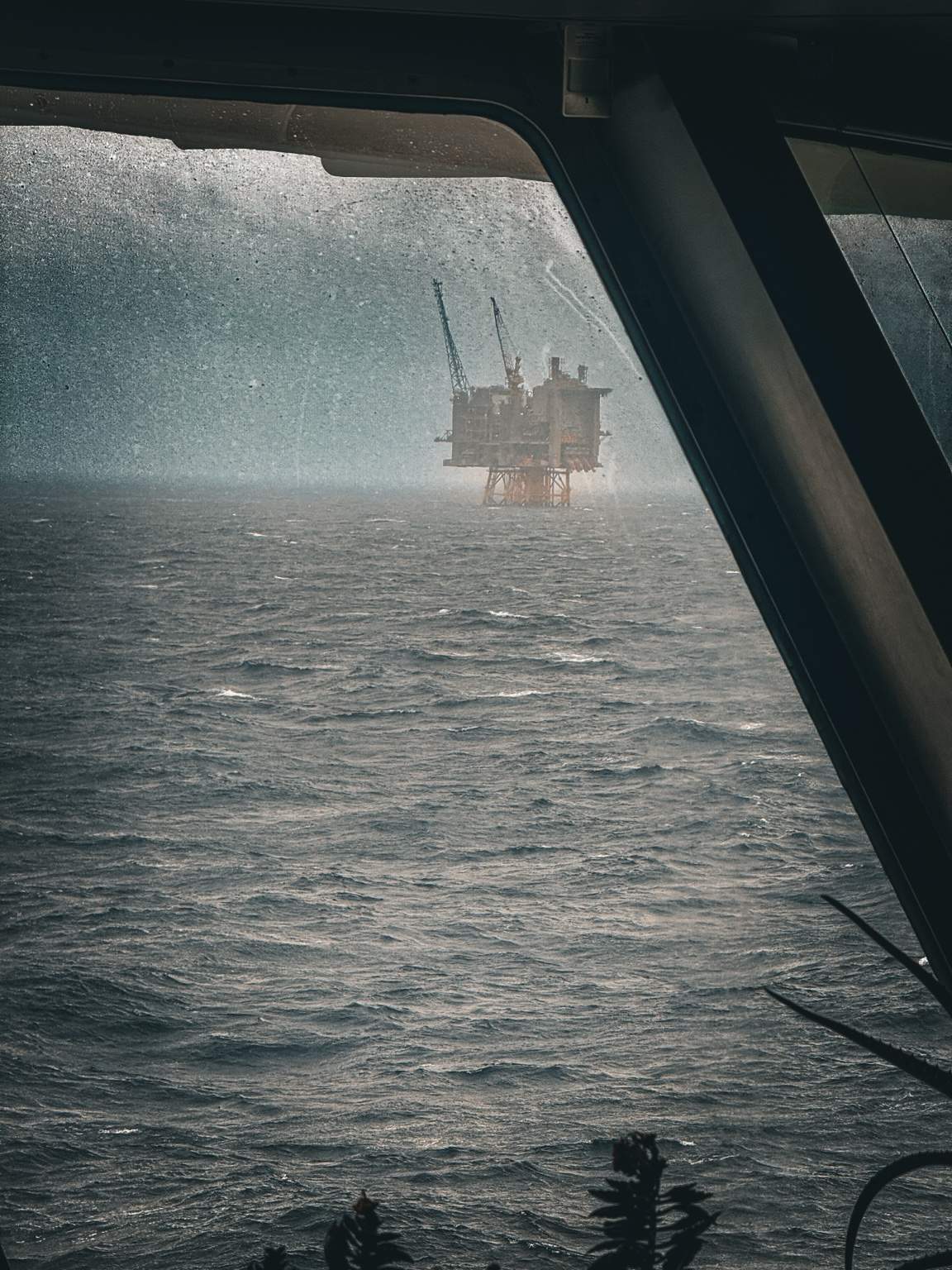
Last week, on our way from Newcastle, UK to Skjolden, Norway, I was on my usual 12 to 4 watch when we passed close to an offshore oil platform.
The name of the platform is Eduard Grieg. Yes, platforms have names too, just like ships.
After more than 25 years at sea, I’ve passed by many of these structures. Still, every time we get close to one, I find myself taking a second look. It’s not something you usually see unless you work offshore, and even from a passing ship, you can already tell how large these platforms are. You don’t see every detail, but you get a good sense of the size and how solid they are out there in the open sea.
These platforms play a big role in keeping things running. Fuel for transport, energy for industries, and many everyday products all start from resources taken from beneath the seabed. The oil and gas extracted offshore do not stay there. They are sent ashore through pipelines, where they are processed and distributed for different uses.
The Eduard Grieg platform is operated by Aker BP and has been producing oil since around 2015 in the Norwegian sector of the North Sea. It is part of a wider network of offshore installations connected to processing facilities on land. This setup allows continuous production and delivery of raw materials needed by different industries.
While passing by, I took a few photos. Nothing special, just something to keep from that watch. It is a normal part of the job, but still something worth noticing. Even after many years at sea, seeing structures like this up close is not something you completely ignore.
It’s just one of those simple moments during a 4-hour watch that gives you something different to look at while underway. It breaks the routine a bit and adds a small point of interest during an otherwise steady watch at sea.

Just Sharing Life as It Comes
Welcome to Dexter’s Digest—just a space where I share bits of life as they come. Some days it’s travel, music, or random thoughts —other days, just moments that feel worth writing down.
Feel free to browse my posts, or leave a comment. Whether you’re here for a quick read or to follow along for the long haul, thank you for joining me.

Leave A Comment