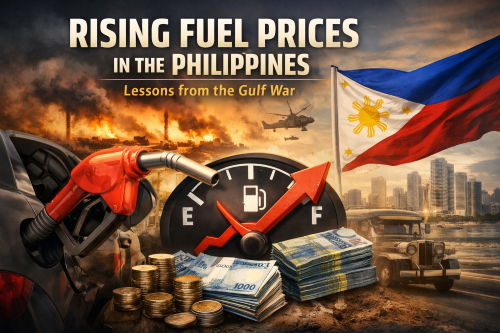
Fuel costs going up again? It’s a story we’ve heard many times—but one of the biggest reminders of how fragile global oil supply can be came during the Gulf War.
Even decades later, the lessons from that conflict still shape how fuel prices react to global tensions.
The Gulf War began in 1990 when Iraq invaded Kuwait—a nation with massive oil reserves. Almost overnight, global oil supply was threatened.
Here’s what happened:
Even countries far from the conflict felt the impact. Oil prices surged—not just because of actual shortages, but because of uncertainty.
Why Fuel Prices Spike During Conflict
Fuel prices don’t just depend on supply and demand—they react to fear, speculation, and risk.
During the Gulf War:
The result? A sharp increase in oil prices, which quickly trickled down to everyday consumers through higher gasoline and diesel costs.
The Ripple Effect on Daily Life
When fuel prices rise, it’s not just about what you pay at the pump.
Everything gets affected:
In short, fuel price hikes quietly touch almost every part of our daily lives.
Lessons We Still Feel Today
The Gulf War taught the world one key lesson: energy markets are deeply tied to global stability.
Even today, whenever tensions rise in oil-producing regions, markets react almost instantly. Prices climb—not always because supply is already low, but because it might be.
What Can We Do About It?
While we can’t control global conflicts, we can control how we respond:
Small adjustments can help cushion the impact of rising prices.
The story of rising fuel costs isn’t new—it’s a cycle shaped by global events, and the Gulf War is one of its clearest examples.
Understanding the “why” behind fuel price hikes helps us stay prepared, not surprised.
Because in the end, it’s not just about oil—it’s about how connected our world really is.

Seafarer and Family Man
I'm Dexter— a seafarer by profession, a traveler by passion, and a homebody by choice.